 “Assembled in Germany” – for the highest quality and reliability –
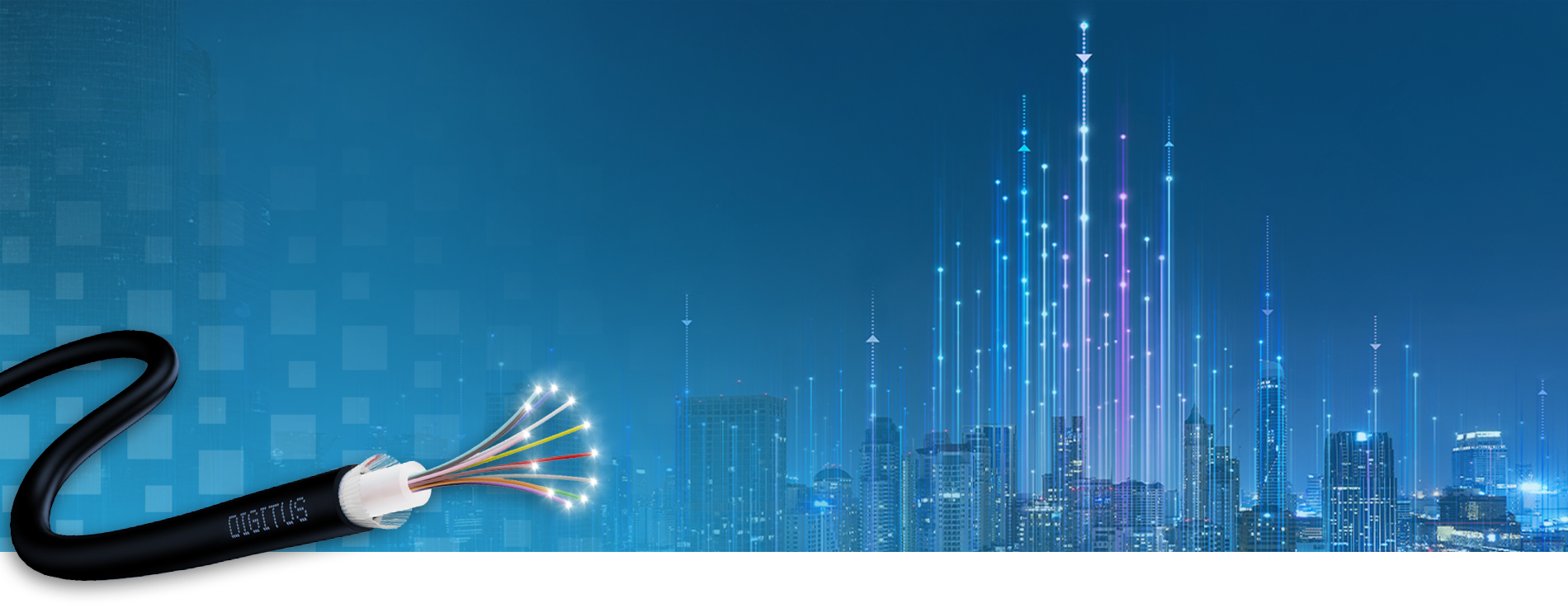
Put your network in the fast lane with DIGITUS®
Discover the future of the internet with our powerful fiber optic networks for private and business customers.
DIGITUS® is your partner for innovative solutions that provide you with ultra-fast internet speeds and reliable connectivity. Our products are designed to push the boundaries of what is possible and provide you with a seamless online experience.

Home Networks:
Fiber optic upgrades for your home
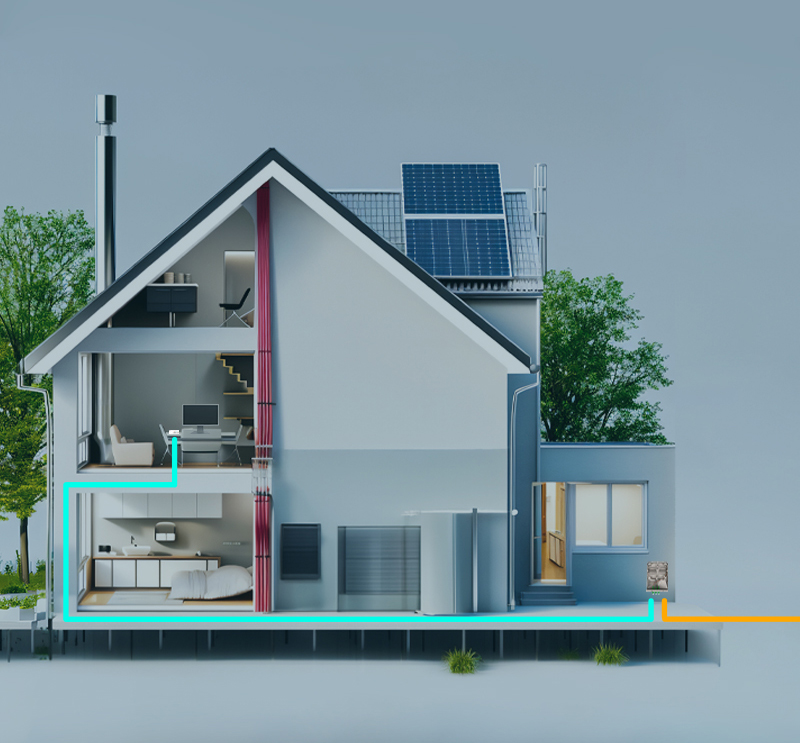
DIGITUS® offers a wide range of FTTH (Fiber to the Home) solutions, such as installation kits, drop and laying cables, as well as enclosures that allow for easy expansion and completion of a fiber optic network in the home.
Your Advantages
 Pre-assembled
Blowable
Higher bendability
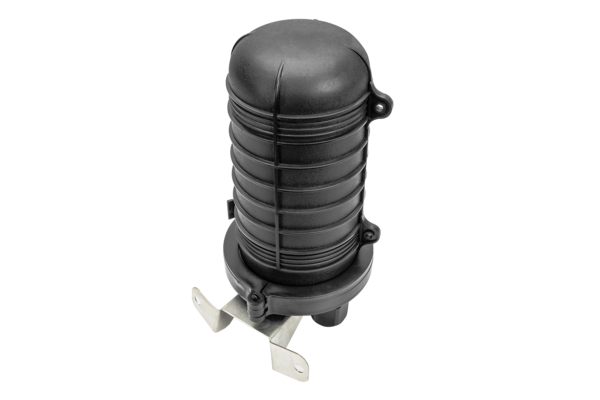
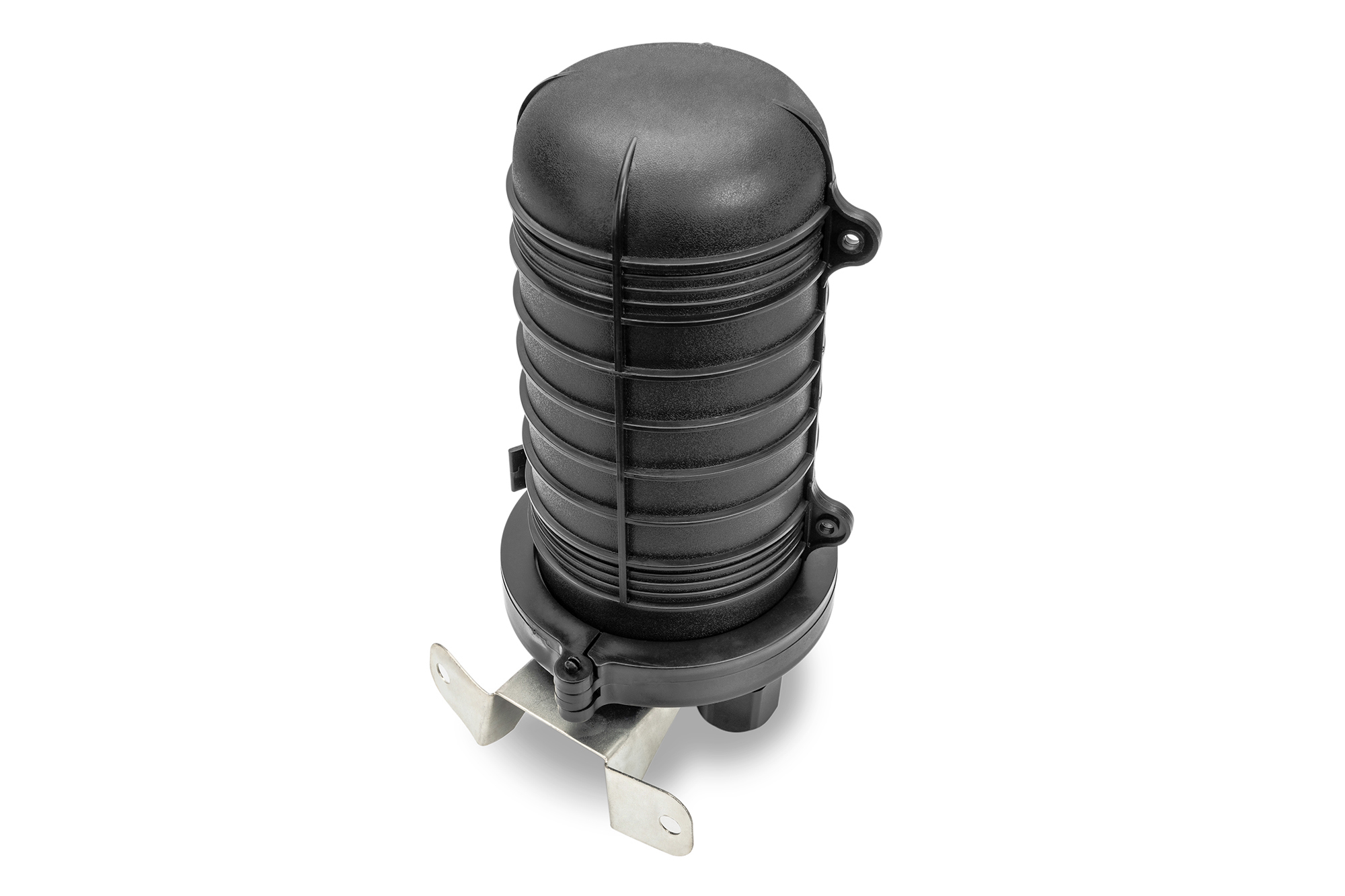 Fiber Optic Dome Closure
DIGITUS Fiber Optic Dome Closure, 48 fibers
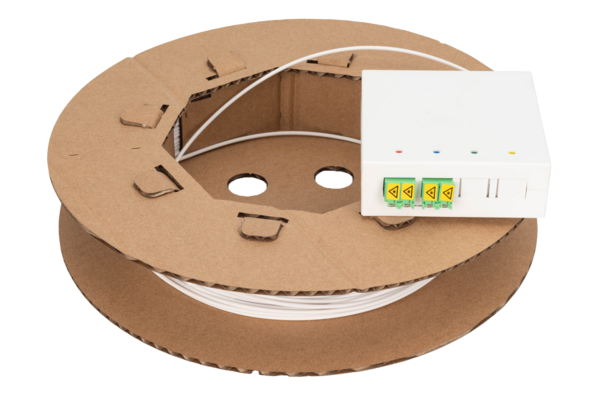
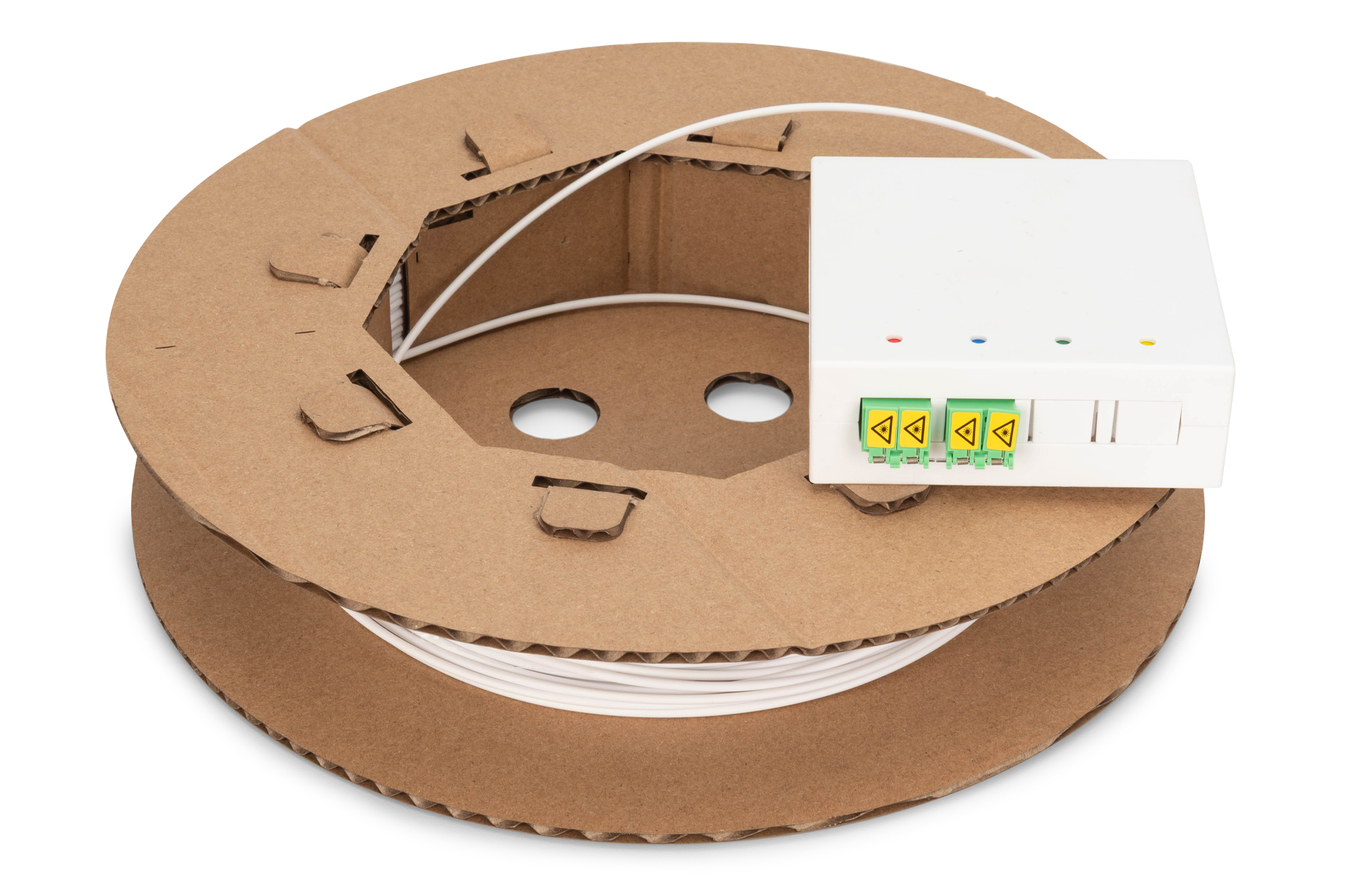 Fttx Installation Kit
DIGITUS Fttx installation kit, pre-terminated, 4 fibers, LC/APC connector, length 50 m
 Building Technology
Intelligent solutions for security systems and electrical installations.
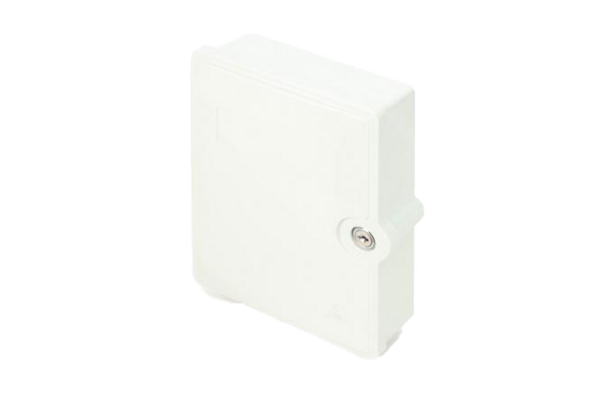
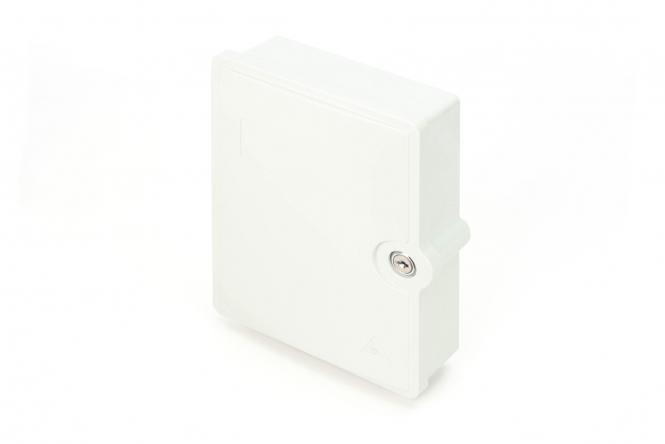 FTTH/FTTB Termination Box
DIGITUS FTTH/FTTB termination box, equipped, OS2, 12 fibers, LC/APC
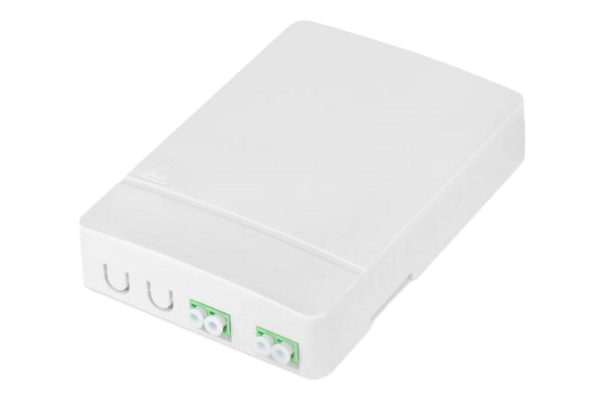
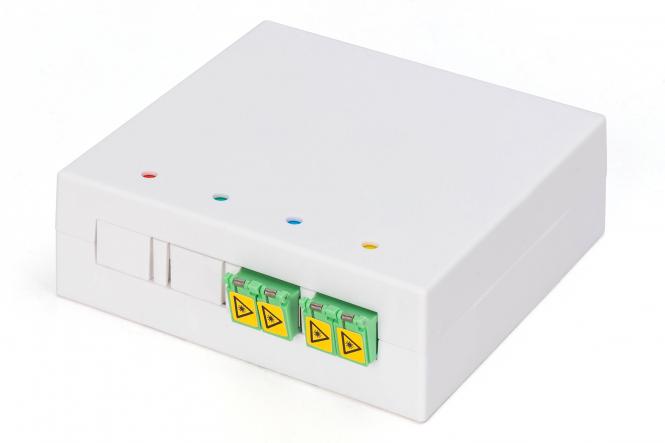 FTTH Enclosure
DIGITUS FTTH enclosure, 2 x LC/APC DX coupler with shutter
Data Center:
Next level data transfer
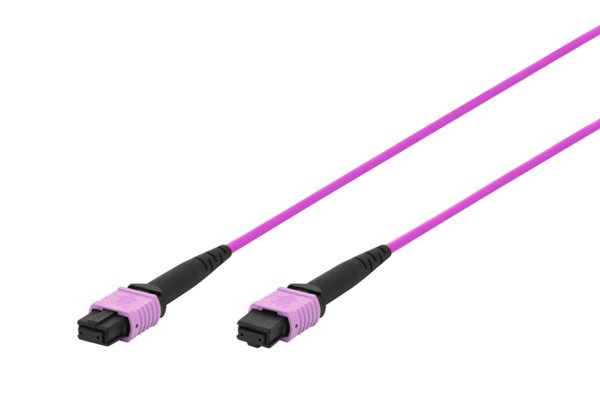
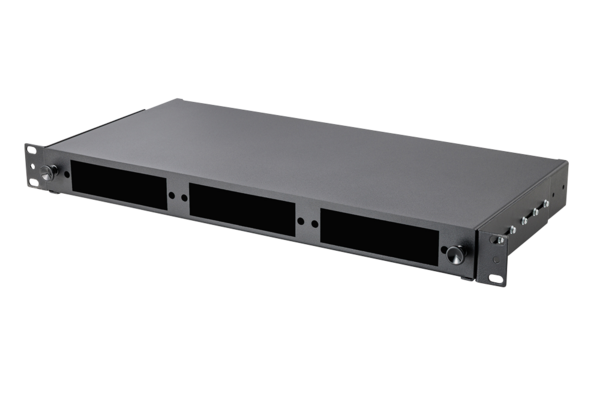
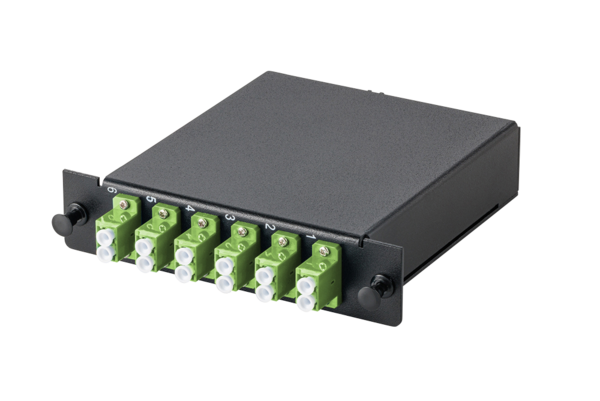
With DIGITUS®'s fiber optic range, you take data centers to the next level. Solutions such as patch cables, MPO cassettes, and MPO patch panels are the answer to increasing bandwidth requirements and enable quick installation and easy upgrades of an existing network thanks to plug-and-play functionality.
Your Advantages
Optimized for high-density networks
Space-saving designs
Fast and easy deployment
Modular & future-proof solutions

Building Technology:
Reliable & future-proof
Modern building technology relies on powerful fiber optic cabling for a reliable and future-proof infrastructure. This is ensured by optimally coordinated components from installation to flexible connectivity.
Your Advantages
Customizable solutions in a short time
Solutions for various applications
Wide compatibility
Seamless adaptability
Cost efficiency
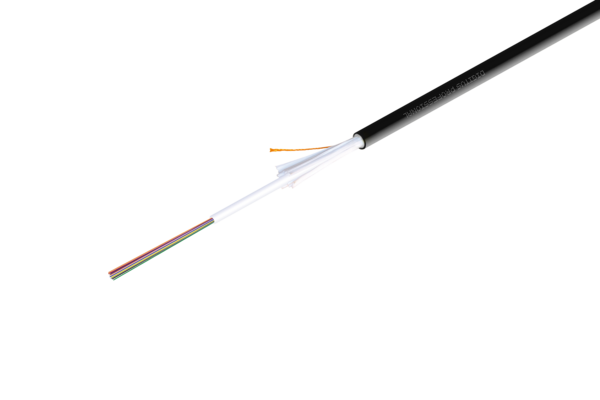
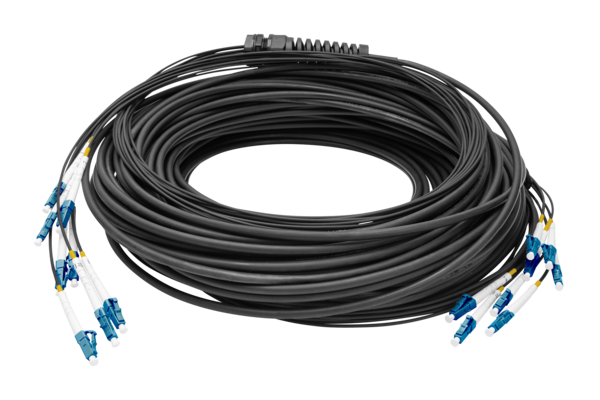
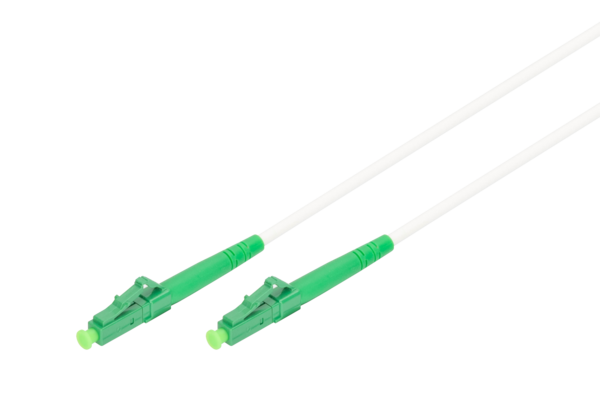
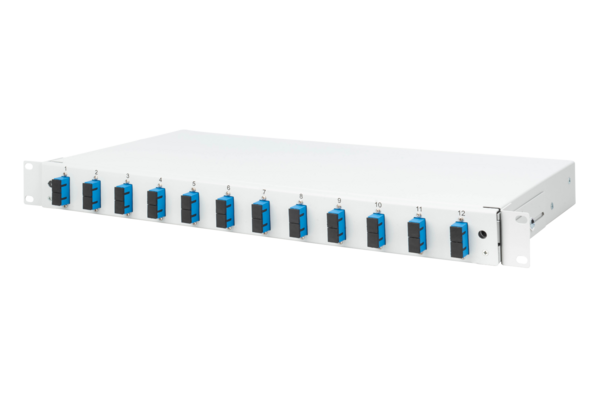

A fiber optic is, as the name suggests, a long, thin fiber made of glass. To transmit data at high speeds, fiber optics are used as so-called light waveguides. Light waveguides use light for data transmission and offer higher bandwidths, better performance, and lower signal losses compared to copper cabling.
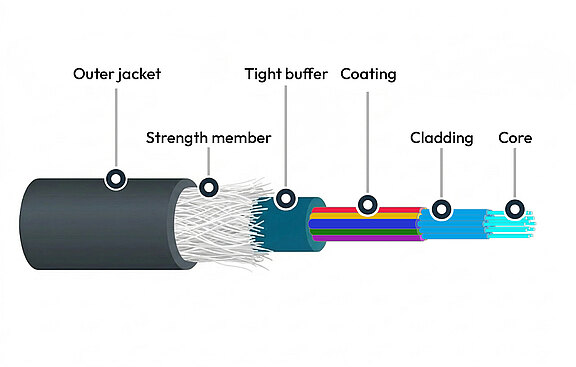
Core and Cladding:
The fiber optic cable consists of a core (the central glass or plastic strand) surrounded by a cladding layer. The core has a higher refractive index than the cladding.
Light Transmission:
Light is introduced into the fiber at a certain angle. On its way through the core, the light hits the boundary between the core and the cladding.
Internal Total Reflection:
When light hits the boundary at a certain angle (greater than the critical angle), it is reflected back into the core instead of entering the cladding. This process is called internal total reflection.
Signal Propagation:
Through this continuous reflection, the light signal carrying the data can propagate through the fiber until it reaches its destination – even around bends.
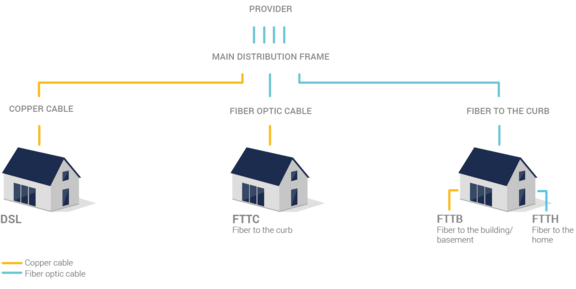
DSL (Digital Subscriber Line)
A DSL line consists entirely of copper and does not use fiber optic cabling. Therefore, it only offers a maximum data transfer rate of up to 16 MBit/s.
FTTC (Fiber to the Curb)
With FTTC, the fiber optic cable is literally laid to the curb. There, the data is transmitted from distribution boxes via copper cables into the respective buildings. Due to the use of copper, the lines are generally slower and more prone to interference than other FTTX options.
FTTB - Fiber-to-the-Building:
With FTTB, the fiber optic line goes directly into the respective building, not just into a distribution box. The data is then transmitted via copper cables into the apartments. Here, the disadvantages of copper cables come into play again.
FTTH - Fiber-to-the-Home:
With FTTH, the fiber optic cable is laid directly into the apartments. By forgoing copper cables, the performance of the line is not limited. FTTH thus represents the most stable, fastest, and most modern fiber optic connection.